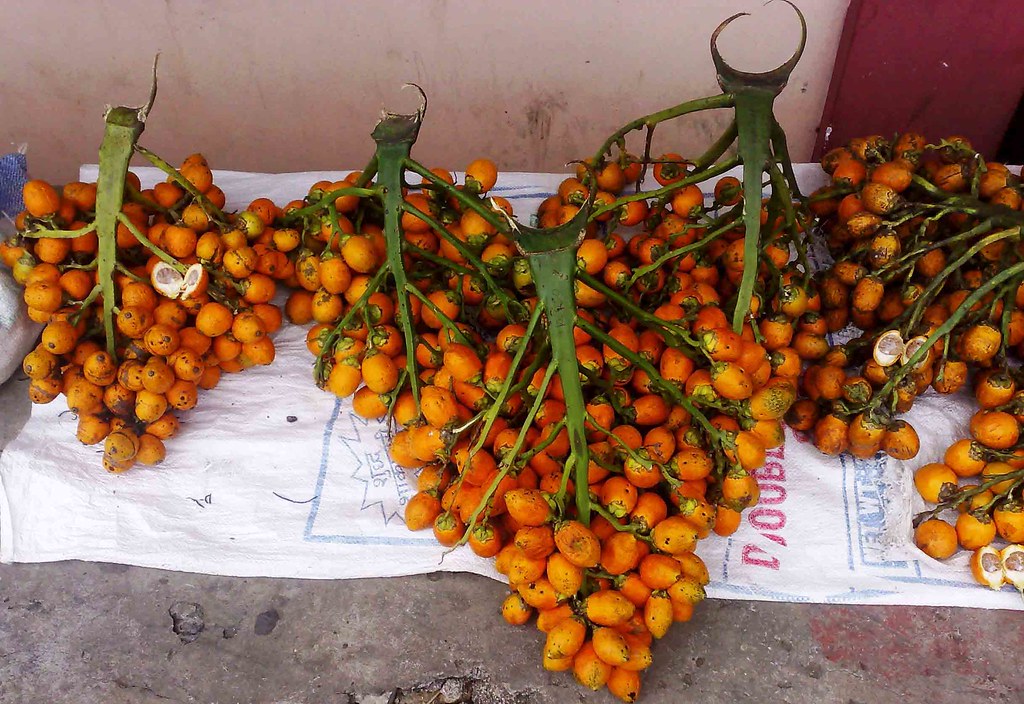
Betel seed, commonly identified as Betel nut, stands as the core of the Areca tree tropical tree and plays an essential part in the culture and economy of various Asian regions. The seed is masticated for its energizing effects, notably when combined with betel quid (a blend of paan leaf and lime paste) or chewing tobacco. Indonesia as a country, as one of the largest manufacturers of betel seeds, has become a important stakeholder in the universal commodity chain for this resource.
Across the nation of Indonesia, chewing Areca nut, known locally as “sirih pinang,” carries a deep-rooted custom. It commonly employed in ceremonies, group assemblies, and medicinal practices. In remote regions, mainly in Sumatran regions, the island of Kalimantan, and Sulawesian regions, the custom of consuming betel nut remains deeply rooted. The kernel carries a social and traditional meaning, commonly acting as a mark of welcoming or incorporated in traditional ceremonies, including marriage ceremonies.
In terms of economics, Areca nut farming supplies livelihoods for many local farmers, notably in locations for instance Aceh, West Sumatra, and Sulawesi’s northern provinces. For these populations, betel seed is a vital commercial crop, enhancing their financial means and having a essential position in the economy of the region.
The tropical climate of Indonesia’s warm, tropical conditions, productive land, and extensive coastlines deliver the best ecosystem for Areca palms to prosper. The farming process follows basic steps and needs substantial effort, consisting of planting seedlings, maintaining palm groves, and harvesting the nuts after around five years. After they are harvested, the betel nuts are generally dehydrated, parboiled, or preserved, depending on the tradition of the region and the market demand.
The betel nut suppliers in Indonesia has a diverse supply chain, involving smallholder growers, regional merchants, wholesalers, and exporters. At times, betel seeds are sold fresh, but more often, they are dehydrated to ensure a longer shelf life and to meet the requirements of international buyers.
International demand for Areca nut, particularly in countries like the country of India, the nation of Pakistan, the island of Taiwan, and different parts of Southeast Asia, has grown in recent years. Areca seed is highly sought after in these countries, where using betel continues to be a social practice, although there is the rising knowledge of its possible health hazards. The country of India is the biggest buyer of Areca nuts from Indonesia. The nuts are treated in multiple ways, for example whole nuts, sliced nuts, or in a powdered state, in line with the regional preferences. The role of betel nut in paan production is still common in India, and Areca nut from Indonesia is commonly favored for its quality and accessibility.
The island of Taiwan represents another emerging market for betel nuts from Indonesia, where the practice of chewing Areca nut is frequently observed, notably among males in countryside. Merchants from Taiwan favor over Areca seeds from Indonesia because of their reduced costs in relation to local Areca nut cultivation. Even with the high earning potential of the betel seed market, suppliers from Indonesia face several hurdles in expanding their sales territories and upgrading their logistics.
In recent years, healthcare studies have connected regular betel nut consumption with cancers of the mouth and various health issues, eliciting issues about its safety profile. This has caused some regions adopting tighter controls or at times prohibitions on the sale and consumption of betel nut items. For illustration, the island of Taiwan has rolled out measures to curb the consumption of betel nuts because of the surge in oral cancer cases. Indonesian manufacturers, therefore, confront the challenge of managing these rules while sustaining their export markets.
While the Indonesian Areca nut market is broad, it is deficient in standardized quality measures and standardization protocols. This can create uneven quality of products, which harms its international reputation. Some suppliers have initiated implementing more stringent organizing, assessing, and packaging practices to ensure consistency, but the entire industry still has potential for advancement.
In the same way as many crops, betel nut cultivation raises concerns about tree cutting and ecosystem degradation. In certain areas, Areca palm plantations have increased into earlier forest-covered lands, leading to a reduction in species diversity and disruption of natural systems. Resolving these sustainability issues is imperative for the enduring health of the industry.
The country of Indonesia is certainly not the exclusive country manufacturing Areca nut. Other Southeast Asian nations, such as the kingdom of Thailand, the Republic of the Union of Myanmar, and Ceylon, in addition have flourishing betel nut industries. Indonesian suppliers must remain competitive by guaranteeing premium products, streamlined supply chains, and competitive pricing to maintain their stake in the global market.
Regardless of the obstacles, the prospects remains promising for Indonesia’s betel nut industry. The global market for betel seed is anticipated to continue to thrive due to the deeply ingrained customs of buyers in important markets. While countries such as the country of India and the island of Taiwan keep to demand superior Areca nuts, Indonesian suppliers are strategically placed to satisfy this need.
To secure ongoing development, Indonesian Areca nut manufacturers are concentrating on revamping their operational methods, upgrading quality assurance, and venturing into different markets. Some companies are putting funds into modern technologies and infrastructure to simplify their workflows and improve efficiency. Additionally, there is heightened interest in natural and sustainably sourced products, which could provide new opportunities for suppliers in Indonesia prepared to implement eco-friendly practices.
Indonesia’s betel nut market is a important contributor to both the local and global market. It delivers jobs to multitudes of smallholder farmers and addresses the demand of international markets, particularly in India and the island of Taiwan. However, issues such as health concerns, regulatory issues, and market competition must be resolved for the industry to succeed in the long run. By concentrating on sustainability, quality control, and new developments, suppliers of betel nuts in Indonesia can keep to play a essential role in the worldwide supply chain.
 Wara Wiri